The Plumbing Mistakes Homeowners Make That End Up Costing the Most
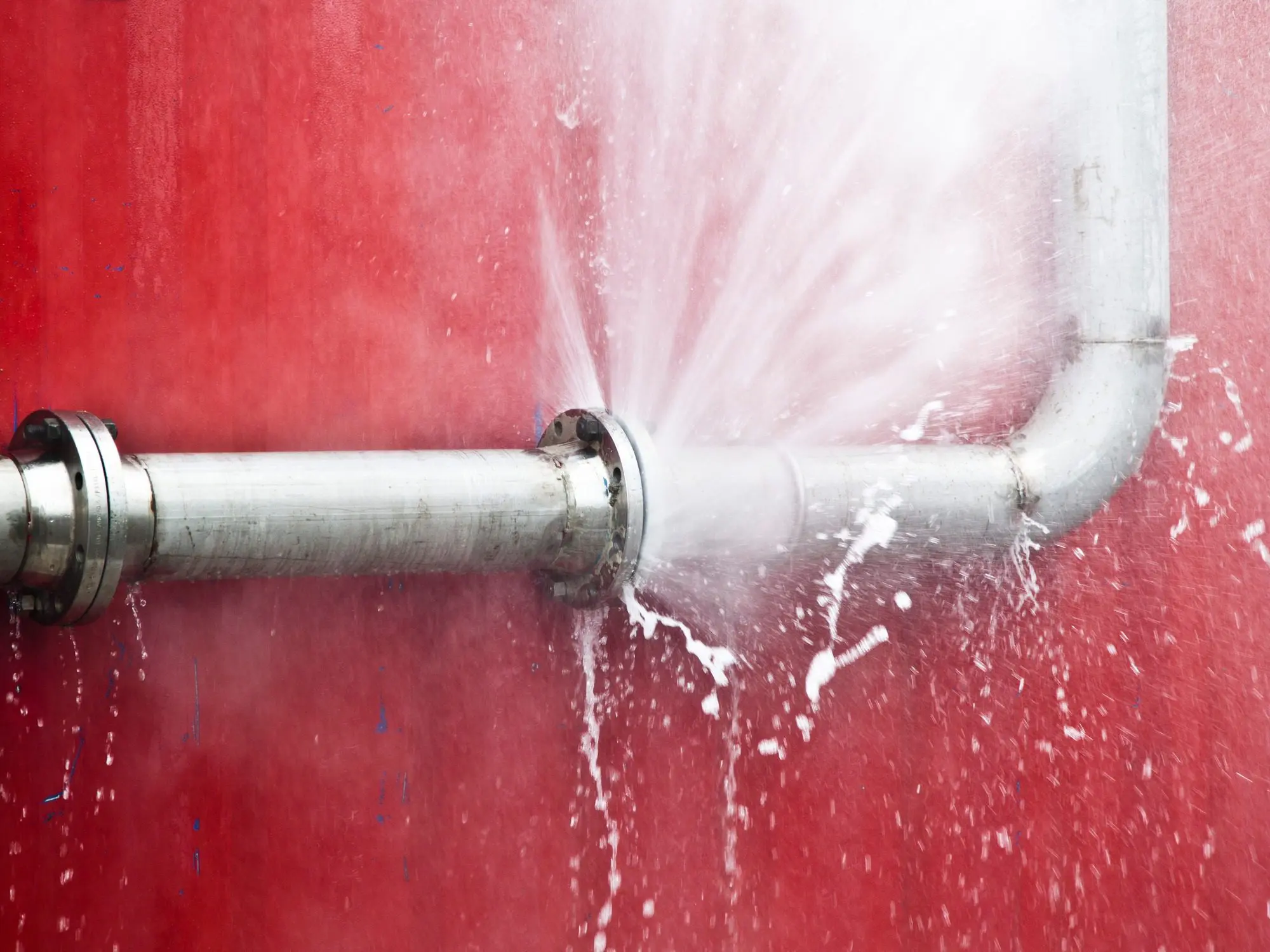
Most plumbing problems that turn into major repairs did not start as major problems. They started as something small that got ignored, misdiagnosed, or handled the wrong way. After years of working on homes across Cobb County and the north Atlanta metro, the Rooter King team sees the same mistakes show up repeatedly. Understanding what they are and why they happen is the first step toward avoiding the kind of repair bill that nobody plans for.
The Problem With Ignoring Small Leaks
A dripping faucet or a slow leak under a cabinet does not feel urgent. It is easy to put a towel under it and add it to the mental list of things to deal with eventually. The issue is that water does not wait for eventually. Even a slow drip adds up to gallons of wasted water per day, and the moisture it creates inside cabinets, walls, and under flooring creates conditions where mold and wood rot develop quietly over weeks and months.
By the time a homeowner addresses a leak that has been running for a season, the repair is rarely just the leak. It is the leak plus the damaged cabinet floor plus the subfloor underneath plus whatever else the moisture reached before anyone looked. Fixing a dripping faucet or tightening a supply line connection costs very little. Fixing what happens when you do not is a different conversation entirely.
Using Chemical Drain Cleaners as a Long Term Solution
Liquid drain cleaners are one of the most misused products in residential plumbing. They are marketed as a quick fix for slow drains, and they do work in the short term on certain types of clogs. The problem is what they do to the pipe in the process. The caustic chemicals in most commercial drain cleaners generate heat as they work, and that heat damages PVC pipe over time and accelerates corrosion in older metal drain lines. Using them once is unlikely to cause immediate visible damage. Using them regularly over several years is a different story.
More importantly, a drain that keeps slowing down or backing up is not a drain that needs more chemicals. It is a drain that is trying to tell you something about what is happening further down the line. Recurring slow drains in a home are often a symptom of root intrusion, grease buildup deeper in the sewer lateral, or a line that has partially collapsed. A drain cleaner poured down the sink does not reach those problems. A camera does.
Skipping Annual Water Heater Maintenance
Water heaters are one of the most neglected appliances in the average home, and they are also one of the most expensive to replace when they fail without warning. Tank water heaters accumulate sediment at the bottom of the tank over time, particularly in areas like Cobb County and the north Atlanta suburbs where hard water conditions accelerate the buildup. That sediment layer forces the burner to work harder to heat water through it, reduces the unit's efficiency, and shortens its overall lifespan.
Flushing the tank once a year removes the sediment before it becomes a performance problem. It takes less than an hour and costs almost nothing compared to replacing a water heater that failed five years earlier than it should have. Homeowners who hear rumbling, popping, or banging sounds coming from their water heater are typically hearing sediment that has already accumulated to the point where flushing alone may not fully resolve it.
Attempting Repairs That Require a License
There is a meaningful difference between tightening a fixture, replacing a showerhead, and the kind of plumbing work that requires a licensed technician. Homeowners who attempt gas line repairs, move supply lines, or work on drain configurations without the proper training and permits are taking on risk that goes well beyond a failed repair. Unpermitted plumbing work can create complications when a home is sold, void homeowners insurance coverage in the event of water damage, and in the case of gas work, create safety hazards that are not always immediately detectable.
This is not about discouraging homeowners from handling basic maintenance. It is about recognizing where the line is between maintenance and licensed trade work. When a job involves opening walls, working on gas lines, or modifying the drain and supply configuration of a home, it belongs with a licensed plumber.
Not Knowing Where the Main Shutoff Is
This one is simple but it matters. In a plumbing emergency, the difference between a manageable situation and a serious one often comes down to how quickly the water can be shut off. Homeowners who do not know where their main shutoff valve is located or who discover in the moment that the valve has not been turned in so long that it no longer operates correctly face a much worse outcome than those who have tested the valve and know exactly where it is.
Every homeowner should locate their main shutoff, confirm it operates freely, and make sure everyone in the household knows where it is. If the valve is stuck or leaking, that is a repair worth making before a burst pipe makes it urgent.
Waiting Too Long to Call a Plumber
The most expensive version of most plumbing problems is the one that sat unaddressed long enough to become something bigger. A sewer line with early stage root intrusion can be cleaned and monitored. One that has been ignored until it collapses requires excavation and full replacement. A water heater that shows signs of sediment buildup and reduced performance can be serviced. One that fails completely and floods a utility room is a different job with a different price tag.
The common thread in the majority of large plumbing repairs is time. The longer a known or suspected problem sits, the more it costs to fix. Calling a licensed plumber when something first seems off is almost always less expensive than calling one after the situation has developed into an emergency.
If your home has a plumbing issue that has been on the list for a while, Rooter King provides honest assessments and clear pricing before any work begins. Contact us today to schedule a service call.