How to Know When Your Water Heater Needs Repair Versus Full Replacement
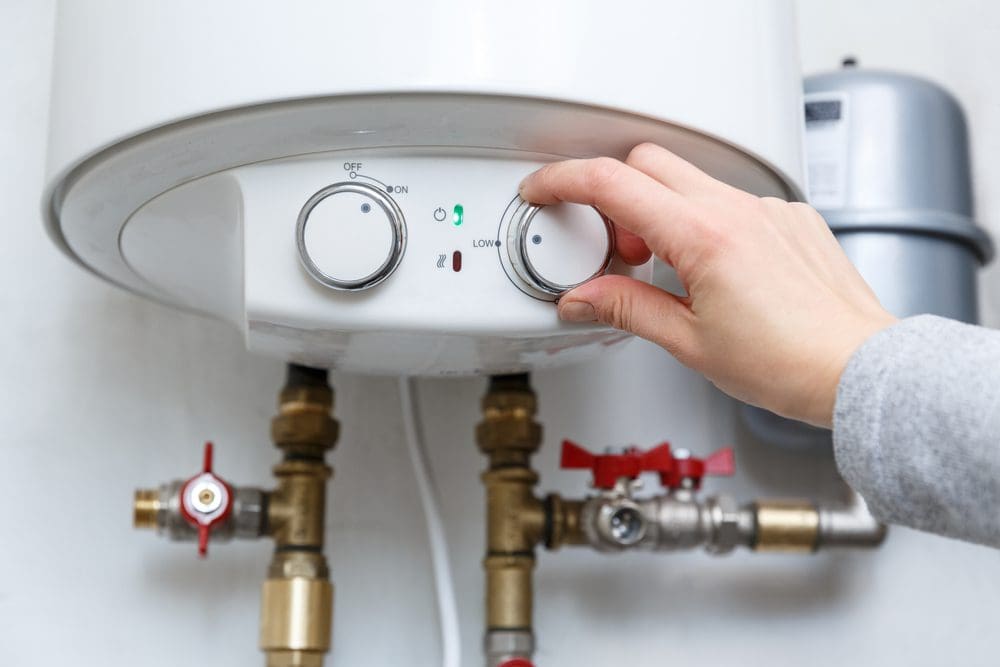
A water heater that is not performing the way it should puts homeowners in a position where they have to make a decision without always knowing enough to make it confidently. Repair it and risk spending money on a unit that fails within a year anyway, or replace it and spend more upfront for something that will last. The right answer depends on several factors that are worth understanding before anyone spends a dollar on either option.
Start With the Age of the Unit
Age is the single most important factor in a repair versus replace decision. Tank water heaters have an expected lifespan of 8 to 12 years depending on the quality of the unit, the local water conditions, and whether the unit has received any maintenance over its life. In areas like Marietta, Kennesaw, and Smyrna where hard water conditions accelerate sediment buildup and wear on internal components, units tend to sit at the lower end of that range without regular flushing and anode rod replacement.
A water heater that is 6 years old with a repairable problem is a reasonable candidate for repair. The same repair on a unit that is 11 or 12 years old is harder to justify because the repair buys time on a unit that is already near the end of its expected service window. Spending several hundred dollars on a repair that extends the life of an aging unit by 12 to 18 months before it needs full replacement is rarely the most cost effective path.
What the Problem Is Actually Telling You
Not all water heater problems carry the same weight in a repair versus replace decision. Some failures are component level issues that are straightforward to address and do not indicate anything about the overall condition of the tank. Others are symptoms of a deeper problem that a repair will not solve long term.
A faulty thermostat or a burned out heating element in an electric water heater are component failures. They are relatively inexpensive to replace and do not reflect on the condition of the tank itself. A gas valve or pilot assembly issue on a gas water heater is similar. These are the kinds of repairs that make sense on a unit that is within the first half of its expected lifespan and has no other symptoms of wear.
Rust colored water coming from the hot side of the tap, a visible leak from the tank body rather than a fitting, and heavy sediment buildup that has reached the point where the unit is no longer heating water efficiently are different signals. Rust in the water indicates internal corrosion that is past the point of repair. A leak from the tank body means the steel has corroded through and no repair addresses the underlying failure. Heavy sediment that has not responded to flushing indicates that the unit has been running degraded long enough that the tank lining has been compromised.
The Role of Water Quality in the Decision
Homeowners across the north Atlanta metro, including Cobb, Cherokee, and Fulton County, deal with hard water conditions that shorten water heater life and make maintenance more critical than it would be in a softer water environment. Calcium and magnesium deposits accumulate at the bottom of the tank, form a barrier between the burner and the water, and force the unit to run longer and hotter to reach temperature. Over time this thermal stress degrades the tank lining and the internal components faster than the manufacturer's lifespan estimates account for.
A water heater in a hard water area that has never been flushed or serviced is almost certainly operating at reduced efficiency and has a shorter remaining lifespan than its age alone would suggest. When evaluating whether a repair makes sense on a unit like this, the actual condition of the tank matters more than the number on the installation sticker.
When Tankless Makes Sense as the Replacement Option
Homeowners who reach the replacement decision have an opportunity to evaluate whether a tankless water heater makes more sense for their situation than a direct tank replacement. Tankless units heat water on demand rather than maintaining a stored tank of hot water, which eliminates standby heat loss and reduces energy consumption in most households. For larger homes in the Marietta and north Atlanta area where hot water demand is consistent throughout the day, the efficiency gains translate into meaningful savings on monthly energy costs over time.
The upfront cost of a tankless installation is higher than a direct tank swap, and the installation requires proper gas line sizing and venting configuration to perform correctly. A tankless unit installed without the right gas supply line to support its demand will not deliver the performance the homeowner expects. When Rooter King installs a tankless system, the gas line assessment is part of the job, not an afterthought.
What a Repair Quote Tells You About Replacement Math
A useful rule of thumb in the repair versus replace decision is to compare the cost of the repair against the cost of replacement. If the repair costs more than 50 percent of what a new unit would cost and the existing unit is past the halfway point of its expected lifespan, replacement is almost always the better financial decision. The math changes if the unit is newer and the repair is minor, but the calculation is worth running before committing to either path.
A licensed plumber who gives you a repair quote without also giving you a replacement option and the cost comparison is not giving you the full picture. Rooter King provides both when the situation warrants it so homeowners can make an informed decision rather than a reactive one.
Getting the Right Answer for Your Specific Situation
There is no universal answer to whether a water heater should be repaired or replaced. The right decision depends on the age of the unit, the nature of the problem, the local water conditions, and what the homeowner's priorities are around upfront cost versus long term value. What does not change is that the decision is easier and less expensive when it is made before the unit fails completely rather than after.
If your water heater is showing signs of age or reduced performance, Rooter King can assess the unit, give you a clear picture of its condition, and present both repair and replacement options with honest pricing on each. Contact us today to schedule a service call.